
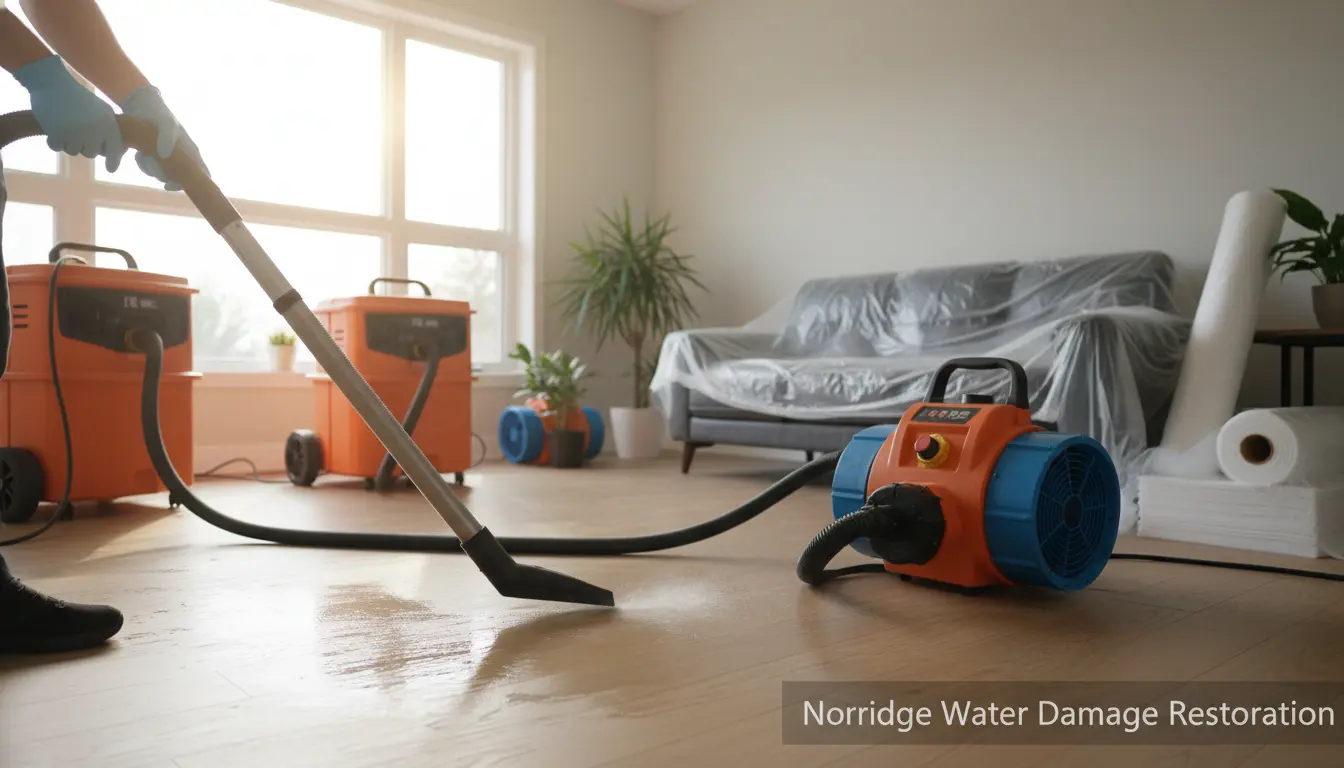
Imagine waking up to the sound of dripping water in your Norridge home after a heavy Illinois storm. Water damage can strike unexpectedly, turning your safe haven into a soggy nightmare. As a resident of this close-knit community near O’Hare, you know how quickly flooding from burst pipes or severe weather can disrupt life. But don’t panic—prompt action can minimize the chaos and get your home back to normal. At Norridge Water Damage Restoration, we’ve helped countless locals recover from such incidents. In this guide, we’ll share practical, step-by-step tips to restore your property efficiently. Whether it’s a minor leak or major flood, these strategies, combined with professional help, will guide you through the process.
Understanding Water Damage in Illinois Homes
Illinois weather, with its sudden downpours and freezing winters, makes water damage a common issue in areas like Norridge. From basement flooding during spring thaws to roof leaks from summer storms, understanding the types of damage is crucial. Water damage falls into three categories: clean (from appliances), gray (from sump pumps), and black (sewage), each requiring different restoration approaches. Ignoring it can lead to mold growth, structural weakening, and health hazards. In Norridge, where homes often feature older basements, quick intervention is key to preserving your investment.
Why Act Fast in Norridge
Local factors amplify the urgency. Norridge’s proximity to busy airports and highways means higher risks from stormwater runoff. Delaying restoration can escalate costs—studies show that every hour of inaction doubles the damage. By following these tips, you’ll protect your family and property while navigating Illinois’ humid climate that fosters mold.
Step 1: Assess the Damage Safely
Before diving into cleanup, prioritize safety and evaluation. This initial step sets the foundation for effective restoration.
Ensure Safety First
Turn off electricity in affected areas to avoid shocks—Illinois homes often have outdated wiring that heightens risks. Wear protective gear like gloves, boots, and masks to guard against contaminants. If the water is from sewage, evacuate and call professionals immediately. In Norridge, where flooding can carry urban pollutants, this precaution is non-negotiable.
Document the Extent
Take photos and videos of the damage for insurance claims. Note affected items, from furniture to walls. This documentation not only aids claims but helps track restoration progress. For specialized recovery, consider document recovery services to salvage important papers soaked in the flood.
Step 2: Stop the Source and Extract Water
Halting further water intrusion is your top priority to prevent worsening damage.
Identify and Stop the Water Source
Locate the leak—whether a broken pipe, overflowing toilet, or external flooding. Shut off the main water valve if needed. In Norridge’s older homes, pipes can freeze in winter, so insulating them prevents future issues. If it’s a complex problem like a hidden leak, professional assessment is wise.
Perform Water Extraction
Remove standing water using pumps, wet vacuums, or buckets. For larger volumes, especially in basements, opt for water extraction services to avoid incomplete removal that leads to mold. In Illinois, where basements are prone to flooding from heavy rains, thorough extraction can save thousands in repairs. Aim to extract as much as possible within the first 24 hours.
Step 3: Dry Out Your Home Thoroughly
Moisture is the enemy—drying prevents warping, rot, and microbial growth.
Use Fans and Dehumidifiers
Set up high-powered fans and dehumidifiers to circulate air and pull out humidity. Open windows if the weather permits, but in humid Illinois summers, rely on equipment. Place fans strategically to target wet areas like carpets and walls. For Norridge residents dealing with basement flooding response, this step is critical to avoid long-term dampness.
Monitor Moisture Levels
Use a moisture meter to check drywall, wood, and floors. Ideal levels are below 15%—anything higher invites problems. In areas like nearby Des Plaines, where clay soils retain water, drying can take longer, so patience and tools are essential.
Step 4: Clean and Sanitize Affected Areas
Once dry, focus on hygiene to eliminate bacteria and odors.
Remove Debris and Clean Surfaces
Discard porous items like soaked carpets or insulation that can’t be salvaged. Scrub hard surfaces with a mix of water, vinegar, and dish soap. For deeper cleans, especially after gray or black water, use antimicrobial agents. Norridge homes, with their cozy layouts, can trap odors easily, so thorough cleaning restores freshness.
Tackle Lingering Odors
Musty smells signal incomplete drying. Employ odor elimination techniques like ozone generators or enzyme treatments. Baking soda on fabrics absorbs scents naturally. In Illinois’ variable climate, addressing odors promptly prevents them from embedding in HVAC systems.
Step 5: Repair and Rebuild
With the basics handled, restore structural integrity and aesthetics.
Fix Walls and Ceilings
Cut out and replace damaged drywall—mold thrives behind it. For professional results, turn to wall and ceiling repair experts who match your home’s style. In Norridge, where bungalows dominate, preserving architectural details during repairs maintains neighborhood charm.
Restore Floors and Fixtures
Dry and treat wood floors with sealants; replace if warped. Clean or replace fixtures like cabinets. If serving surrounding areas like Rosemont, our team ensures seamless integration with local building codes.
Prevent Future Damage
Install sump pumps, improve drainage, and seal cracks. In flood-prone spots near Norwood Park, elevate appliances and use flood barriers. Regular maintenance, like gutter cleaning, is a smart investment for Illinois homeowners.
FAQ: Common Questions About Water Damage Restoration in Norridge
How Soon Should I Call Professionals After Water Damage?
Act within the first hour for best results. Delays allow mold to form, especially in humid Illinois. Norridge Water Damage Restoration offers 24/7 emergency response.
Does Homeowners Insurance Cover Water Damage in IL?
Most policies cover sudden damage like bursts, but not neglect. Document everything and file promptly. We assist with claims in areas like Harwood Heights.
Can I DIY the Entire Restoration Process?
Minor clean water incidents might be manageable, but for contaminated water or structural issues, professionals ensure safety and compliance with Illinois regulations.
How Long Does Restoration Take in Norridge Homes?
It varies from days for small leaks to weeks for floods. Factors like home size and damage extent play a role—our team provides timelines upfront.
What If Mold Appears During Restoration?
Stop work and call experts. Mold remediation requires containment and removal to protect health, particularly in family-oriented communities like Norridge.
Conclusion: Take Control and Restore Your Norridge Home Today
Water damage doesn’t have to define your home’s story. By assessing quickly, extracting water, drying thoroughly, cleaning diligently, and repairing smartly, you can bounce back stronger. In Norridge and surrounding Illinois areas like Morton Grove, Norridge Water Damage Restoration stands ready to support you with expert, compassionate service. Don’t let water win—contact us today for a free assessment and reclaim your peace of mind. Call now at (708) 809-8963 or visit our site to schedule help.