
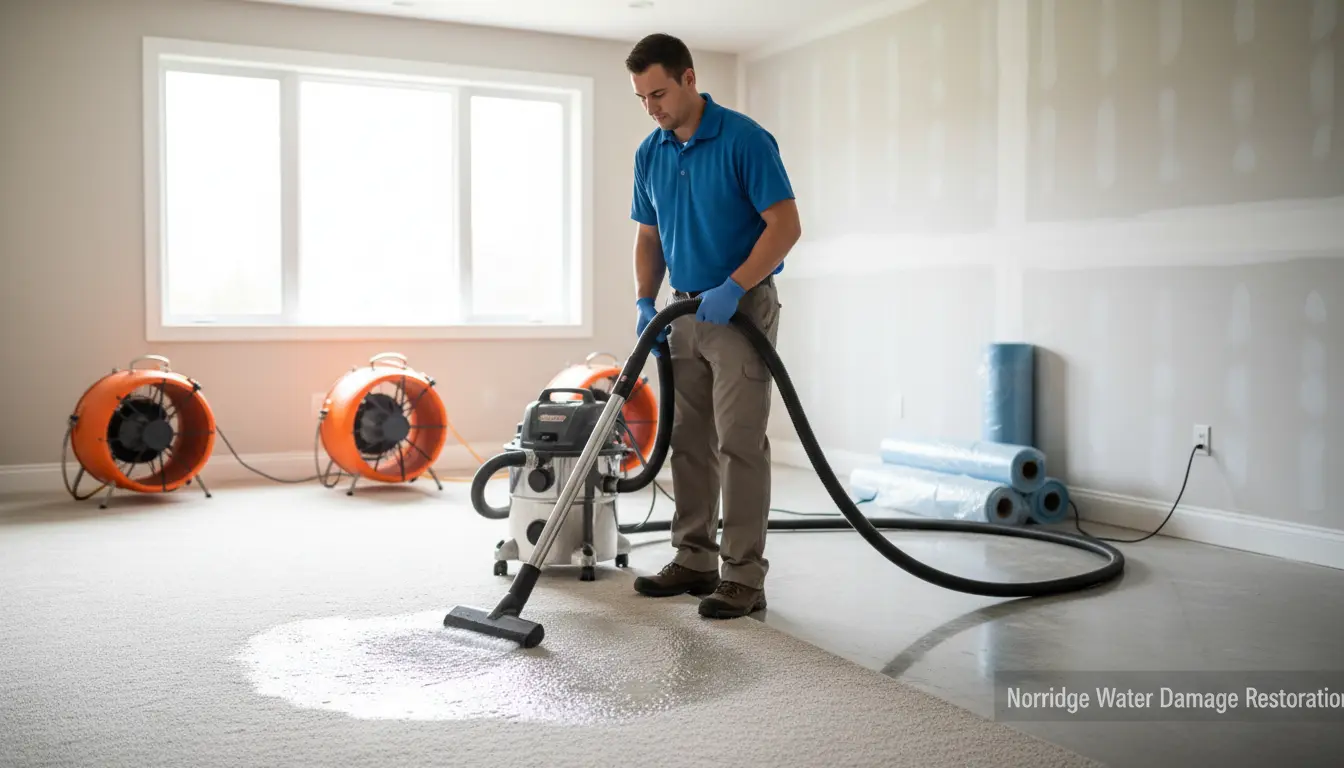
Imagine waking up to the sound of dripping water in your Norridge home, only to discover a burst pipe has flooded your basement overnight. Panic sets in as you realize the potential for mold, structural damage, and costly repairs. Water emergencies strike without warning, but with the right knowledge and quick action, you can minimize the devastation. Welcome to the ultimate guide to emergency water restoration in Norridge, brought to you by Norridge Water Damage Restoration, your local experts dedicated to restoring peace of mind in our community.
In this comprehensive resource, we’ll walk you through everything from immediate response steps to professional restoration techniques tailored to the unique challenges of Norridge’s older homes and variable weather. Whether it’s a leaky roof after a heavy Illinois rain or a sump pump failure during spring thaws, understanding emergency water restoration can save your property—and your sanity. Let’s dive in and equip you with the tools to handle water damage like a pro.
Understanding Water Damage Emergencies in Norridge
Water damage isn’t just about wet floors; it’s a ticking time bomb for your home’s health and value. In Norridge, where many residences date back to the mid-20th century, aging plumbing and proximity to O’Hare’s drainage systems can amplify risks. Flooding from heavy rains or burst pipes can lead to Category 1 (clean water) turning into Category 3 (black water) contamination if not addressed swiftly.
Common Causes of Water Damage in Our Area
Norridge’s location in Cook County exposes homes to specific threats:
- Severe Weather Events: Torrential downpours and snowmelt often overwhelm local sewers, causing basement flooding. Last year’s record rainfall in the Chicago suburbs highlighted this vulnerability.
- Aging Infrastructure: Many Norridge homes feature galvanized pipes prone to corrosion, leading to sudden bursts.
- Appliance Failures: Washing machines, water heaters, and dishwashers in compact family homes can malfunction, spilling gallons of water.
- Neighboring Impacts: Proximity to areas like Park Ridge means shared flood risks from the Des Plaines River overflow.
Recognizing these causes early can prevent minor issues from escalating. For instance, if you notice discolored walls or a musty odor, it might signal hidden moisture from a recent storm.
Immediate Steps to Take After Water Damage
Time is critical in water restoration—the first 24-48 hours are known as the ‘golden window’ to prevent mold growth and further damage. Don’t wait for the weekend; act now to safeguard your Norridge property.
Step 1: Ensure Safety First
Before touching anything, prioritize safety:
- Turn off electricity at the breaker if water has reached outlets to avoid electrocution.
- Evacuate if there’s sewage involvement, common in Norridge’s combined sewer systems during heavy rains.
- Wear protective gear like gloves and boots to avoid contaminants.
If the damage is extensive, like from a flash flood affecting nearby Harwood Heights, call emergency services immediately.
Step 2: Stop the Source and Remove Standing Water
Identify and halt the water flow:
- Shut off the main water valve for pipe bursts.
- Use buckets or wet/dry vacuums for small spills, but for larger floods, professional extraction is essential.
Practical tip: In Norridge’s clay-heavy soil, water doesn’t drain easily, so remove as much as possible to prevent warping floors.
Step 3: Document the Damage
Take photos and videos of the affected areas for insurance purposes. Note the time of discovery and initial steps taken. This documentation will streamline claims, especially with insurance claim assistance from experts like us.
Professional Emergency Water Restoration Process
While DIY efforts help in the short term, professional intervention is non-negotiable for thorough recovery. At Norridge Water Damage Restoration, we follow industry standards from the IICRC to ensure complete restoration.
Assessment and Water Extraction
Our team arrives within the hour for Norridge emergencies. Using advanced moisture meters and thermal imaging, we assess the extent of damage. High-powered pumps and truck-mounted extractors remove water efficiently, far beyond what a shop vac can achieve.
In local cases, like flooding from the Irving Park Road area, we focus on hidden water in crawl spaces common to Norridge bungalows.
Drying and Dehumidification
Air movers and industrial dehumidifiers create high-velocity airflow to evaporate moisture. This process typically takes 3-5 days, monitored with hygrometers to hit below 60% humidity.
Tip: Avoid using household fans alone—they spread contaminants without removing moisture.
Cleaning, Sanitizing, and Restoration
We apply EPA-approved antimicrobials to kill bacteria and prevent mold. Then, we tackle repairs:
- For soaked carpets, explore our carpet restoration services to salvage fibers without full replacement.
- Damaged walls and ceilings? Our wall and ceiling repair restores structural integrity.
- Valuable items like documents or furniture benefit from specialized content restoration.
For widespread issues, such as those from regional floods impacting Rosemont, we coordinate with local authorities.
Practical Tips for Preventing Future Water Damage in Norridge
Prevention is your best defense against recurring emergencies. Tailored to our community’s needs:
- Regular Maintenance: Inspect pipes annually, especially in older Norridge homes. Schedule drain cleaning to avoid backups from autumn leaves clogging storm sewers.
- Install Smart Devices: Water leak detectors and automatic shut-off valves provide alerts via app—ideal for busy families near Schiller Park.
- Elevate Appliances: In flood-prone basements, raise washers and dryers on platforms.
- Landscaping Adjustments: Grade soil away from foundations to combat Norridge’s poor drainage.
- Insurance Review: Ensure coverage includes flood damage; we assist with upgrades during restoration.
Implementing these can reduce risks by up to 70%, per FEMA guidelines.
FAQ: Emergency Water Restoration in Norridge
How quickly should I call professionals after water damage?
Ideally within the first hour. Delaying beyond 48 hours increases mold risk exponentially. Norridge Water Damage Restoration offers 24/7 response for urgent needs.
What are the costs involved in water restoration?
Costs vary by damage extent, starting at $1,000 for minor extractions to $10,000+ for full rebuilds. We work with insurers to minimize out-of-pocket expenses.
Can I stay in my home during restoration?
It depends on contamination levels. For clean water, yes, but black water requires evacuation. Our team assesses habitability on-site.
How does flooding in Norridge differ from other areas?
Our flat terrain and urban runoff make basements more susceptible. Unlike elevated Niles properties, Norridge homes need robust sump pumps.
Will my insurance cover emergency water restoration?
Most policies cover sudden accidents but not neglect. Document everything and let us handle claims for seamless reimbursement.
Conclusion: Protect Your Norridge Home Today
Water damage emergencies can disrupt lives, but with this guide, you’re armed with knowledge to respond effectively. From immediate safety measures to leveraging professional flood damage repair services, proactive steps ensure faster recovery. In Norridge, where community ties run deep, don’t face this alone—trust Norridge Water Damage Restoration for compassionate, expert care.
Ready to safeguard your home or need urgent help? Contact us at (708) 809-8963 for a free assessment. Let’s restore your space and serenity—call now!